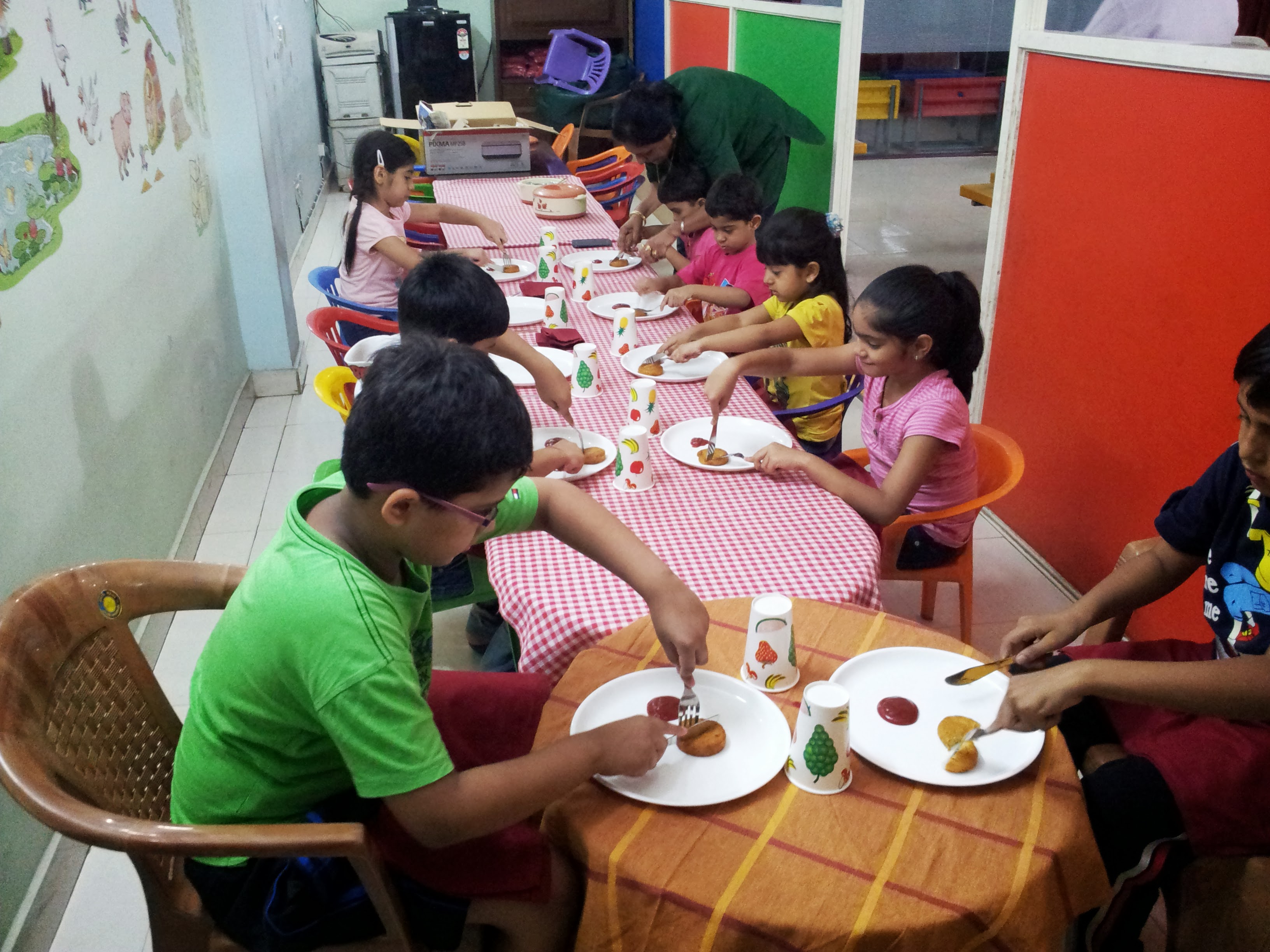
Dining skills teach children confidence, courtesy, patience, and respect in social situations.
Dining Is a Social Skill
Table manners help children understand how to behave with family, friends, guests, and teachers in social settings.
Simple habits such as sitting properly, using cutlery correctly, saying please and thank you, and waiting patiently make a strong impression.
Etiquette Builds Self-Respect
When children learn polite behaviour early, they become more confident in unfamiliar environments.
They also learn to respect others, share space, and communicate with warmth.
Learning Should Be Practical
Children learn etiquette best through demonstrations, role play, and repeated practice.
A practical class makes these lessons enjoyable and easy to remember.
Frequently asked questions
Why should children learn table manners?
Table manners help children become polite, confident, respectful, and comfortable during family meals, school events, and social gatherings.
What age is suitable for etiquette training?
Children can begin learning basic etiquette from an early age. Lessons can be adapted for school children, teenagers, and young adults.
How are table manners taught effectively?
Children learn best through demonstrations, role play, supervised practice, and simple repeated habits that they can use every day.